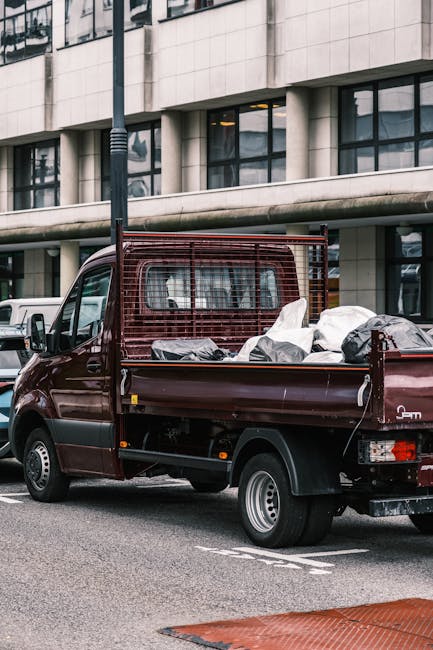
Alexandra Park Crouch End rubbish removal for events: a practical guide for smoother clean-ups
If you are planning a community fair, private party, film shoot, sports day, wedding reception, charity fundraiser, or pop-up in and around Alexandra Park, Crouch End, rubbish removal for events can be the difference between a tidy finish and a stressful, messy wrap-up. Truth be told, event waste builds up fast: cups, food packaging, broken boxes, decor offcuts, cable ties, old signage, and those awkward mixed piles that seem to appear out of nowhere by 9 pm.
This guide breaks down how event clearance works, what to expect, where people often go wrong, and how to keep the process simple. You will also find a checklist, a comparison table, and a realistic example so you can plan confidently rather than wing it on the day. And let's face it, nobody wants to be bagging up stubborn rubbish while guests are still chatting in the background.
Why Alexandra Park Crouch End rubbish removal for events matters
Events are busy, temporary, and usually a bit chaotic in the best possible way. That is exactly why rubbish clearance deserves proper planning. In Alexandra Park and the wider Crouch End area, event organisers often deal with limited loading windows, shared access routes, public footfall, and tight turnaround times. If waste is left until "later", later quickly becomes too late.
Effective event rubbish removal does more than make a space look neat. It helps keep walkways clear, reduces trip hazards, prevents overflow around bins, and makes closing down the event much quicker. If you are hosting on private land, in a hired venue, or as part of a local community programme, a clear waste plan can also help you stay organised when multiple suppliers are all leaving at once.
There is also a practical reputation angle. Guests notice when a venue feels cared for. Staff notice too. A calm, orderly breakdown feels professional. A jumble of black sacks by the gate, not so much.
For larger or more mixed clearances, some organisers pair event waste planning with general waste removal support, especially where there are furniture items, display materials, packaging, and leftover stock to move quickly.
How Alexandra Park Crouch End rubbish removal for events works
The process is usually simpler than people expect. The key is matching the removal method to the type of event and the amount of waste expected. For a small gathering, you may only need one collection after pack-down. For a ticketed event or multi-zone setup, you may want staged removals during the day and a final sweep at the end.
In practice, event rubbish removal usually follows a pattern:
- Assess the event layout, access points, and waste types.
- Estimate volume and decide whether you need one-off clearance or timed collections.
- Separate recyclables, food waste, general rubbish, and any restricted items.
- Place bins or sacks in sensible locations so staff and guests can use them easily.
- Arrange a collection time that fits your setup and shutdown schedule.
- Clear the site, do a final walk-through, and remove missed items before handover.
The most successful event clean-ups are the ones that look boring from the outside. No drama. No frantic last-minute pile-up. Just a smooth process that keeps everybody moving. If you have ever tried to clear a marquee while the generator is still humming and someone is asking where the cake stand went, you will know exactly what I mean.
If your event includes office-style admin, printed material, or confidential paperwork, it can make sense to plan alongside confidential shredding so sensitive documents are handled properly rather than mixed in with general waste.
Key benefits and practical advantages
Good event rubbish removal offers more than convenience. It can change the whole feel of the operation, from the first setup truck arriving to the final site handover.
- Faster breakdown: When waste is sorted as you go, the end-of-event clear-out is far less stressful.
- Safer site conditions: Clear floors, routes, and exits reduce slips and trips.
- Better recycling outcomes: Mixed waste is harder to sort later, so early separation helps.
- Less disruption to neighbours or nearby visitors: Especially useful around residential streets and public spaces.
- More professional presentation: A tidy event space reflects well on your team and your brand.
- Less waste left behind: That final forgotten pile by the service door? Much less likely.
There is another subtle benefit: peace of mind. When removal is properly scheduled, you are not improvising with random bin bags, borrowed trolleys, or a van that turns up too late. You can focus on the event itself. Which, to be fair, is the whole point.
Where waste includes furniture, staging items, or leftover seating, a related service like furniture clearance can be useful after pop-ups, launches, exhibitions, or community functions.
Who this is for and when it makes sense
Alexandra Park Crouch End rubbish removal for events is relevant to a lot more people than you might think. It is not just for big festivals. Smaller gatherings can generate surprisingly awkward waste too.
This service makes sense for:
- Event planners running public or private functions
- Venue managers preparing for same-day turnover
- Caterers dealing with packaging, disposable serveware, and food leftovers
- Production teams managing set pieces, props, and packing materials
- Community organisers hosting fairs, open days, and fundraisers
- Market traders and pop-up operators
- Sports clubs and local groups holding seasonal events
It is especially helpful when your event has mixed waste streams. Think cardboard, plastic, soft packaging, bottles, broken decor, tired banners, or leftover equipment. That mixed pile can be awkward to store on-site and even more awkward to move later.
If your event is attached to a workplace, office launch, or business activation, a broader business waste removal approach may suit the clean-up better than a simple one-off bin collection.
Step-by-step guidance
Here is a clear way to plan event waste removal without overcomplicating it.
1) Estimate what will actually be thrown away
Do not guess wildly, but do not under-plan either. Count seating, food service points, display areas, goody bags, packaging deliveries, and breakable items. A small event can still produce a mountain of cardboard and food waste by the end of the evening.
2) Split waste into simple categories
Start with the basics: general rubbish, recyclables, cardboard, glass, and bulky items. If there are hazardous materials or sharps, these need separate handling. Keep it simple enough that staff can follow it without a briefing longer than the event itself.
3) Plan where waste will be placed during the event
Place bins where people naturally pause: exits, near catering, beside bar areas, and by staff-only prep zones. If bins are hidden, waste tends to appear on tables, floors, and every flat surface in sight.
4) Decide on collection timing
For a one-evening event, a single end-of-night collection may be enough. For longer events, it can be wiser to arrange at least one mid-event uplift. That keeps public areas looking respectable and prevents odours or overflow.
5) Leave a final sweep window
Always build in a bit of time for the last walk-through. You will find odd things there: a half-filled box under a trestle table, broken zip ties, a missing sign, perhaps a jacket nobody claims. Happens all the time.
6) Hand over the cleared space cleanly
Before you lock up or leave the site, check entrances, corners, behind counters, and any temporary storage points. A proper handover avoids awkward calls later.
Expert tips for better results
The best event waste plans are simple, visible, and slightly overprepared. Not panicked. Just prepared.
- Use clear labels: Staff and volunteers are much more likely to sort waste correctly when bins are plainly marked.
- Keep a separate bag for odd items: Small loose items, broken clips, and table debris are easier to manage when collected centrally.
- Protect loading routes: If movers need to pass through guest areas, keep the route clear and avoid stacking bags near exits.
- Factor in weather: A damp evening can make cardboard collapse, and wet packaging gets heavier very quickly.
- Brief your team early: A two-minute waste briefing before doors open often saves a lot of hassle later.
One handy habit: place one "catch-all" container near the busiest service point. It is not glamorous, but it works. You will usually see it fill first, which tells you exactly where the waste pressure is building.
For events that include garden areas, temporary outdoor seating, or landscaped spillover space, garden clearance can be a sensible companion service when the cleanup extends beyond standard event litter.
Common mistakes to avoid
A lot of event waste problems come from small planning errors rather than major failures. The tricky part is that these mistakes feel harmless at first.
- Leaving waste planning until the end: By the time the event is over, everyone is tired and the site is messy.
- Mixing everything into one pile: That makes recycling harder and can increase handling time.
- Underestimating bulky waste: Boxes, packaging, seating, and signage take up more room than people expect.
- Ignoring access: Narrow gates, steps, long carries, and parking limits can all slow clearance down.
- Forgetting restricted waste: Some items need special handling and should not go in general event bags.
- Not planning the final hour: The end of an event is often when waste peaks, not when it disappears.
A common one is assuming staff will "just sort it out". Sometimes they do. Often they are already dealing with guests, suppliers, and the inevitable missing extension lead. Better to make the waste path obvious from the start.
Tools, resources and recommendations
You do not need a warehouse of equipment to manage event rubbish well. A few sensible tools make a big difference.
- Colour-coded bags or labels: Useful for quick separation of general waste and recycling.
- Reusable tote crates: Handy for transportable packaging, tableware, and tidy backstage storage.
- Bin signage: Simple wording is best. Nobody needs an essay above a bin.
- Trolleys or dollies: Help move heavier sacks or boxed waste safely.
- Gloves and basic PPE: Especially important for setup and breakdown crews.
- Spare liners and tape: Small supplies that save the day when bins overfill unexpectedly.
If you are comparing ways to remove waste from an event site, the service details on pricing and quotes can help you understand how enquiries are typically scoped before a collection is booked. It is also sensible to review insurance and safety information if the clearance involves awkward lifting, public access, or high-footfall areas.
For mixed event leftovers that include mattresses, old soft seating, or lounge-style furniture, mattress and sofa disposal may be more appropriate than sending everything through a standard waste stream.
Law, compliance, standards, or best practice
Event organisers in the UK should think carefully about waste duty of care, safe handling, and proper segregation. The exact legal duties depend on the type of venue, waste produced, and who is responsible for the waste at each stage. Because event situations vary, it is best to treat compliance as a practical planning issue rather than something to leave to chance.
Good practice usually includes:
- Keeping waste contained so it does not create hazards for the public or staff
- Separating materials where practical, especially recyclables and general waste
- Avoiding the mixing of restricted or hazardous items with ordinary rubbish
- Using proper lifting techniques and avoiding overloaded bags
- Ensuring access routes remain usable for emergency movement and safe pack-down
If your event includes appliances, displays, or temporary catering equipment, specialist handling may be needed. For example, old chillers, fridges, or food-service appliances should be dealt with properly rather than left to the last minute. Where relevant, fridge and appliance removal can help you plan that part of the clearance more safely.
And if there is any chance of hazardous material, do not improvise. Use the right route from the start and check the details on hazardous waste disposal before anyone moves the item. That is one area where "we'll just shove it in the van" is not a strategy. Not a good one anyway.
Options, methods, or comparison table
There is no single best method for every event. The right choice depends on your volume, access, timing, and waste mix. Here is a plain-English comparison.
| Method | Best for | Advantages | Limitations |
|---|---|---|---|
| Single end-of-event collection | Small gatherings, private parties, short pop-ups | Simple to arrange, minimal disruption | Can be tight if waste volume is underestimated |
| Staged collections during the event | Longer events, high-footfall spaces, catering-heavy setups | Controls overflow, keeps the site tidy | Needs more coordination |
| Bulky waste clearance | Events with furniture, staging, signage, or props | Useful for large awkward items | May require more access planning |
| Mixed-service clearance | Events with rubbish, office waste, and leftover equipment | Flexible, efficient for complex sites | Needs clear sorting and instructions |
If your event produces lots of cardboard, packaging, or hard waste, it can also help to check what is accepted in a standard container or load by reviewing what can go in a skip. Even if you are not using a skip, that guidance often clarifies what belongs in general waste and what should be separated out.
Case study or real-world example
Imagine a spring community event near Alexandra Park with food stalls, a small stage, children's activities, and a handful of market tables. Nothing extreme. But by the end of the afternoon, the site has cardboard boxes from deliveries, food packaging, discarded decorations, broken gazebos parts, and several bags of mixed general waste. One vendor also leaves behind a few bulky items that would never fit neatly into ordinary bins.
The organiser sets up waste points near the food area and exit route, briefs volunteers to keep soft plastics separate where possible, and arranges a final clearance after the last announcement. During the event, one mid-afternoon collection removes the first wave of rubbish before it becomes a problem. By the time pack-down starts, the remaining waste is easier to sort, and the site is cleared without panic.
What made the difference? Not magic. Just timing, simple bins, and a plan that acknowledged how messy events actually get. The whole thing felt calmer. You could hear the chairs being folded, the last bits of tape peeling off the floor, and people finishing the final sweep without that frantic "where do we put this?" energy.
Practical checklist
Use this checklist before your event starts, and again during pack-down.
- Confirm the event date, access times, and collection window
- Estimate the likely waste types and volume
- Identify bulky, awkward, or restricted items early
- Set up bins or sacks in the busiest waste areas
- Label waste points clearly for staff and volunteers
- Keep walkways, exits, and loading routes clear
- Store spare liners, tape, gloves, and cleaning supplies nearby
- Check whether any equipment needs separate removal
- Leave time for a final site walk-through
- Make sure the area is left tidy before handover
Expert summary: the smoother event clearances are almost always the ones planned before the first guest arrives. If waste control is built into the event layout, the finish feels easier, safer, and much more professional.
Get a free quote today and see how much you can save.
Conclusion
Alexandra Park Crouch End rubbish removal for events is really about keeping control of the spaces people actually use. Whether you are hosting a small celebration or a busy local event, a tidy waste plan protects safety, reduces stress, and helps you close out the day properly. It also gives your team a cleaner, calmer way to finish, which matters more than people admit.
The best approach is simple: plan the waste early, separate what you can, leave room for the unexpected, and avoid the end-of-night scramble. Get that right and the rest tends to fall into place. Not perfectly, because events never do. But well enough to feel smooth, professional, and manageable.
If your next event is already on the calendar, now is a good moment to line up the clearance side of things and take one worry off your plate.
Frequently Asked Questions
What does event rubbish removal cover in Alexandra Park Crouch End?
It usually covers the collection and disposal of general event waste, packaging, cardboard, bottles, temporary decor, and bulky leftovers from setup or pack-down. If needed, it can also include mixed items that are awkward to move yourself.
How early should I arrange rubbish removal for an event?
As early as you can. That gives you time to estimate waste volume, check access, and make sure the collection fits your event schedule. Leaving it until the last day is a classic headache generator.
Can I use one collection for the whole event?
Sometimes, yes. A single collection works well for small events or short gatherings. For larger or food-heavy events, a mid-event uplift can prevent overflow and keep the site looking presentable.
What if my event includes bulky items like tables or staging?
That is usually manageable, but bulky items need more space and planning. Make sure they are identified in advance so the removal team knows what to expect and how to access them safely.
Is recycling possible during event clearance?
Often, yes. Cardboard, some plastics, and bottles may be suitable for separation, depending on how the waste is presented and what the collection plan allows. The cleaner the separation, the better the chance of recycling.
Do I need special handling for food waste or catering leftovers?
It depends on the setup and the type of waste. Food waste can become messy quickly, especially in warm weather or after a long event day, so it is best kept contained and collected promptly.
What should I do with broken glass or sharp items?
Keep them separate and clearly marked. Do not mix them into ordinary bags where staff might be caught out during lifting. Safety first, every time.
Can event waste be removed after the venue closes?
Yes, provided the access arrangements and timing are agreed in advance. Many organisers prefer an after-hours collection so the site can be cleared without interrupting guests or nearby activities.
How do I know whether I need a general waste service or something more specialised?
If your event waste is mainly packaging, mixed rubbish, and light bulky items, a general clearance approach may be enough. If you have appliances, hazardous material, or confidential paperwork, those need more specific handling.
What is the biggest mistake people make with event rubbish removal?
Underestimating the amount of waste. It happens all the time. A small-looking event can create far more rubbish than expected once catering, display materials, and breakdown waste are added up.
Is it better to clear waste during the event or wait until the end?
That depends on the size and format of the event. For busy events, clearing waste during the day keeps the site tidy and avoids pressure at pack-down. For smaller events, end-of-event removal may be enough if the waste is well controlled.
Where can I find more details before booking?
It helps to review the service information, safety guidance, and pricing details before you decide. A quick look at the relevant pages on the site can make the booking process much smoother and help you choose the right clearance approach.